Nothing really feels extra defenseless than standing by while a coworker or member of the family gasps and collapses. The window to act is narrow. Efficient cardiopulmonary resuscitation can double and even triple survival from heart attack outside the medical facility, however just if the individual neighboring knows what to do and really feels ready to do it. That readiness originates from practice, not simply reading. Mixed knowing ties both ends with each other: on the internet CPR training for the knowledge and functional sessions for the hands-on skill. The mix values just how adults discover, exactly how work environments run under time pressures, and just how first aid requirements evolve.
What mixed learning actually suggests for CPR and very first aid
In the context of a CPR course or a broader first aid and CPR course, blended discovering separates the educational program into two strings. Learners complete an online module initially, frequently 2 to 4 hours depending upon the service provider and the level of information. That module supplies the science, series, and circumstances: when to call emergency services, just how to recognize agonal breathing, just how to utilize an AED, when to quit compressions. It utilizes brief videos, understanding checks, and case studies. After that, participants attend an in person functional session to build muscular tissue memory on a manikin, show compression depth and rate, method pocket mask seals, and run through realistic role plays, in some cases with simulated choking or anaphylaxis.
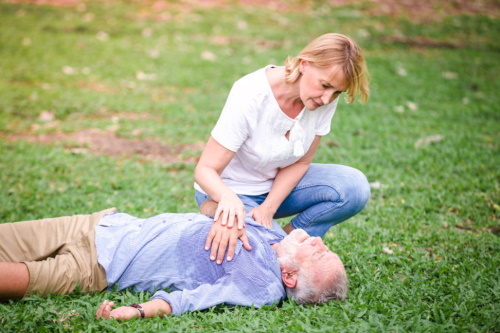
The online portion steps at the student's speed, rewinds as needed, and records theory with quizzes. The practical session is the calibrator. A teacher enjoys your hand placement and corrects it instantly. The combined strategy is not a shortcut. It swaps lecture time for independent research so the class can focus on skill.
Why this technique has actually taken root
There is a functionality to it, however that undersells the instructional value. Adults preserve information much better when they arrive preloaded with principles and make use of class time to do the difficult thing, which is execute under mild anxiety. Throughout my initial year running first aid courses for a production client, we tried a full-day classroom format. By mid-afternoon, attention wandered. We changed to combined shipment. The change was immediate. Individuals arrived with inquiries in hand and left sweaty after two-minute compression cycles. The pass price remained the very same, but the post-course confidence scores jumped by practically 30 percent.
Blended discovering additionally smooths labor force logistics. Arranging a three-hour sensible block is simpler than drawing a team for a complete day. For shift-based organizations, friendliness, child care, or aged care, that difference can be the only method to remain compliant without short-staffing.
Anatomy of the on-line component
The best on the internet CPR training appreciates interest periods. Segments run 5 to eight mins and finish with a quick check. Learners can stop briefly when a child cries or a work telephone call interrupts. It ought to also show existing agreement declarations on resuscitation. Standards upgrade every five years typically, with interim advisories when new evidence emerges. A quality supplier refreshes content promptly and flags what changed. As an example, compression depth for adults stays about 5 to 6 centimeters at a price near 100 to 120 per minute, but newer modules may emphasize reducing interruptions much more than before.
Case-based learning issues. Reviewing that gasping can be present in cardiac arrest lands really in different ways from watching a 90-second clip of agonal respirations. A durable component contrasts that with reliable breathing and pushes the student to choose in real-time, after that describes the option. Excellent programs additionally consist of AED user interface simulations, where you click via pads positioning and pay attention for motivates, which cuts reluctance later.
Accessibility is not a bonus, it is a need. Closed captions, screen reader compatibility, and adjustable playback rate aid even more individuals complete the theory. For individuals with previous CPR certificates who are taking a CPR correspondence course, adaptive modules can reduce the path by avoiding content they show mastery in, while still mandating any upgraded protocols.
What happens in a useful session
The abilities laboratory is short, concentrated, and intentionally physical. For grown-up CPR, a teacher will evaluate hand placement on the sternum, compression rate utilizing a metronome or tune hints, and recoil. Lots of centers make use of feedback manikins that present LEDs for appropriate deepness and rate, which takes disagreements out of the coaching. You will go through solitary rescuer and team-based scenarios, usually consisting of AED use. For choking, the technique consists of back strikes and abdominal thrusts on training vests. If the first aid course covers infant and child care, you will handle the smaller manikins, which call for lighter depth and various air passage management.
Expect your trainer to stress safety and realism. I still trainer trainees to say, out loud, "You, call emergency situation services currently and bring the AED," due to the fact that the act of speaking the command lowers the spectator freeze in real cases. We time two-minute compression cycles and rotate rescuers, which mirrors AED evaluation periods and stops exhaustion. Some learners discover shoulder or wrist concerns throughout the first 2 minutes. That is https://telegra.ph/Locating-the-Right-First-Aid-Training-Course-Near-You-Tips-and-Resources-02-12 when we explore position, hip joint, and the use of a stool or cushion to place over the chest. Fine-tuning that pose throughout training stays clear of bad performance later.
A functional session ought to additionally confirm first aid past CPR: hemorrhaging control with pressure and dressings, recognition of stroke making use of quickly cues, and anaphylaxis feedback with an auto-injector fitness instructor. You do not require to understand every particular niche situation. You do need to really feel comfy executing the high-impact actions that acquire time up until specialists arrive.
How qualification operates in mixed delivery
Most acknowledged suppliers release a first aid certificate or a CPR certificate once both components are complete and examined as experienced. The online module typically produces a conclusion record that you bring to course or the trainer can see in their system. The in person session includes observed demonstrations and possibly a brief written quiz to validate understanding. As soon as you meet the outcomes, your certificate shows up by email, usually within 24 to 48 hours.
Validity periods differ by territory and market, however a common technique is revitalizing CPR yearly and restoring complete first aid training every three years. Workplaces in higher danger categories might call for even more regular CPR correspondence course attendance. Numerous companies established suggestions tied to HR systems. If you freelance or function throughout several sites, maintain a digital copy on your phone and cloud storage space. I have actually enjoyed a service provider miss out on a shift because they can not generate proof, despite the fact that their training was current.
Where mixed knowing beams, and where it struggles
It is not perfect for each learner. Individuals who do not like on-line interfaces or have restricted internet access may like conventional class formats. Nonetheless, combined delivery excels in a number of ways.
- Efficiency without erosion: shifting academic material online does not lower skill time. In method, it enhances meaningful practice because you invest the whole in-person home window on application. Consistency at scale: a nationwide carrier can systematize on the internet material while neighborhood trainers adjust situations to local dangers, whether that is ranch machinery, coastal rescues, or storage facility racking. Better pre-class triage: instructors see test data and typical blunders before the group shows up, so they prepare focus accordingly. Lower obstacle for refreshers: brief on-line updates followed by an hour in the lab make yearly CPR training sensible for hectic teams. Stronger student autonomy: adult learners can replay complicated areas, which is tough to recreate in a lecture.
The rubbing points include the temptation to click via without interest, scheduling gaps between on the internet conclusion and course attendance that erode retention, and unusual situations of overconfidence after a glossy e-learning component. Instructors require to penetrate for understanding, not simply tick boxes. Companies can assist by encouraging staff to book the practical within a week of ending up the theory.
Choosing a credible provider
The market is crowded. Search for alignment with recognized requirements, clear analysis criteria, and sensible proportion caps. An instructor taking care of fourteen students with just 2 manikins can not deliver the very same experience as an instructor with a six-to-one proportion and device-per-learner gain access to. Inquire about feedback technology, AED trainers that match usual brands in your location, and whether oxygen or bag-valve-mask skills are consisted of for sophisticated roles.
Names differ by region, however companies with a track record in first aid courses will generally publish their mapping to nationwide proficiency systems or standard bodies. If you see unclear pledges of "industry-leading CPR courses" without clear end results, keep looking. Cost must consist of all materials, on the internet accessibility, and the first aid certificate. Covert costs for card issuance are a red flag.

If your group has unique dangers, pick a supplier ready to tailor scenarios. A childcare facility needs pediatric emphasis. A logistics hub needs crush injuries and hefty bleeding drills. An area sporting activities club desires sideline heart attack circumstances and AED placement strategy. Providers that recognize those subtleties, in some cases branded as first aid pro or workplace-specialist trainers, can make the difference between nominal conformity and genuine capability.
Making the most of the online module
Treat the e-learning like a rundown prior to a real-time exercise. Bear in mind, even if short. Pause when something really feels counterintuitive and rewatch. If your program system supplies conversation boards or Q&A triggers, use them. Knowing increases when you express a question instead of bring a half-formed doubt right into the classroom.
Pay interest to AED sections. Most real-world rescues depend upon early defibrillation. The faster pads are on a shockable rhythm, the greater the opportunity of survival. Practice the pad positioning diagrams mentally, particularly for pediatric instances and for people with a pacemaker bulge or a medicine patch on the upper body. The module needs to cover those edge cases. If it does not, flag it in the functional session and ask.
For blended first aid and CPR courses that include hemorrhaging control, search for content on tourniquet use. Noncombatant availability has raised, and evidence supports their usage when direct stress falls short. Recognize the indicators and the repercussions, consisting of discomfort and the need to note the moment of application.
What to focus on in the sensible session
The lab is where you convert understanding right into activity under a little bit of stress. Do not go for best concept recital. Aim for tidy, definitive actions that secure the person and yourself.
- Start loud and clear: examine scene safety and security, tap and shout, and guide a called bystander to call emergency services and fetch the AED. If you practice calling a person, the spectator is more probable to act. Build a compression routine: lock elbow joints, pile shoulders over hands, and count your very first ten compressions out loud to establish rhythm. Use the metronome if supplied. Pursue marginal pauses when the AED analyzes. Speak your procedure: saying "I see the breast rise" after each air flow maintains your technique truthful. If you can not get a seal swiftly, desert ventilations and devote to continual compressions up until help gets here or an AED instructs otherwise. Rotate with framework: switch compressors every 2 minutes. Utilize the AED's rhythm evaluation as a natural handover minute to stop tiredness and shallow compressions. Practice messy truths: mimic sweat, vomit, or a cramped place. Ask the trainer to relocate the manikin under a table or next to a couch. Genuine apprehensions rarely occur in book positions.
These habits stick. Months later, when an assistant called me after reacting to a shopping mall collapse, she remembered shouting for the AED by naming a shop worker. The AED showed up in under two minutes. That clarity likely changed the outcome.
Online-only versus simply in-person: the trade-offs
I have seen learners promote online-only accreditations for comfort. Some markets approve knowledge-only refreshers for short periods, however CPR without hands-on practice sheds integrity swiftly. The feeling of right deepness, the tempo, the arm fatigue that damages compressions long before you anticipate it, none of that converts via a display. Without a practical, individuals have a tendency to under-compress and time out also long around ventilations.
On the various other hand, a complete in-person day that covers lecture and skills can benefit teams who value cumulative immersion. The price is setting up pain and reduced cognitive freshness late in the day. Combined knowing splits the lots, allows you replay crucial sequences, and maintains classroom power for sensible technique. If you should select one concession, select to keep the practical.
Keeping skills present after the certificate
A first aid certificate verifies a point-in-time competence. Skills degeneration starts within weeks. That is not a criticism of learners, it is human memory. Plan for brief refresher courses. Several suppliers supply microlearning videos or app-based prompts that take 5 minutes every couple of months. If your work environment has an AED, timetable a quarterly drill to open the closet, check pad expiry, and practice the power-on series. Familiarity lowers fingertips fumble when it matters.
For people, practice silently when you pass a manikin in a health club or swimming pool course. Place your hands, count 10 compressions mentally, and go on. It takes much less than a min and strengthens muscular tissue memory. If you completed a CPR correspondence course online and lab yearly, these tiny touches in between keep the neural pathways alive.
Questions to ask before you enroll
Blended distribution layouts are not equivalent. A couple of targeted questions cut through advertising gloss.
- What is the ratio of learners to manikins and AED fitness instructors in the sensible session, and what is the normal course size? How long is the in-person abilities obstruct, and just how much of that is hands-on time instead of paperwork? Which guidelines does the educational program comply with, and when was the last web content update? Does the online platform conserve progress, support ease of access features, and supply proof of completion for work environment records? What is the policy for rescheduling if I finish the online module and can not participate in the practical right away?
Reasonable solutions often tend to gather. Anything that seems incredibly elusive or places the majority of the obligation on the learner without support typically predicts an unsatisfactory class.
Industry-specific notes: childcare, sporting activity, and remote work
Every industry brings peculiarities. Child care employees require confidence with infant compressions and breaths, in addition to choking methods that avoid excessive stress. Sports coaches encounter exertional collapse, injury, and automated gates on AED closets that might lock after hours. Know how to gain access to your own. Remote employees in farming or construction deal with longer response times. For them, first aid training should include robust bleeding control, warm health problem administration, and a prepare for assisting emergency solutions to an unmarked site. GPS coordinates and a clear gain access to summary beat a vague rural address.
For hospitality and retail, group management during a case can be as crucial as compressions. Designate someone to clear space and guide paramedics on arrival. Practice that in circumstances. It is simple to forget under stress.
How companies can embed blended knowing without headaches
Leadership buy-in receives the information. Create a roster that sets brand-new employs with upcoming sessions and sets reminders six weeks prior to certification expiration. Keep the AED visible, not hidden behind a secured storage room. Run a short debrief after any type of medical incident, even when it finishes without CPR. Celebrate the responders. Culture expands where initiative is noticed.
Make registration very easy. If your supplier sustains solitary sign-on or mass registration, use it. For groups with varying proficiency degrees or lots of non-native English audio speakers, designate a peaceful area and paid time for the online component. That is not a perk, it is threat management. People find out much better when they are not packing at midnight after a long shift.
Finally, diversify instructors periodically. A different voice, and various scenarios, stop complacency. One of our long-term customers rotates in between two first aid pro trainers yearly. The content stays aligned to the exact same criteria, however the shipment is fresh, and comments ratings show that.
The profits: technique and presence
Find more infoBlended discovering is not about ease for its own purpose. It values the means real emergency situations unravel. You require a clear mental map and a body that knows just how to relocate. On the internet CPR training constructs the map. Practical sessions teach the actions and expose the gaps while it is risk-free to fix them. Integrate them, and you turn a check-the-box requirement right into the ability to act when seconds matter.

If you have been delaying your next CPR course as a result of time, book a combined alternative. If your team's first aid training feels stale, alter the layout, not the requirement. And if you currently hold a certificate, plan your CPR correspondence course before the edge dulls. Individuals do not remember who had the perfect quiz rating. They remember who dropped to their knees, put their hands, and started compressing.